Salwein Spawning Channels Remediation
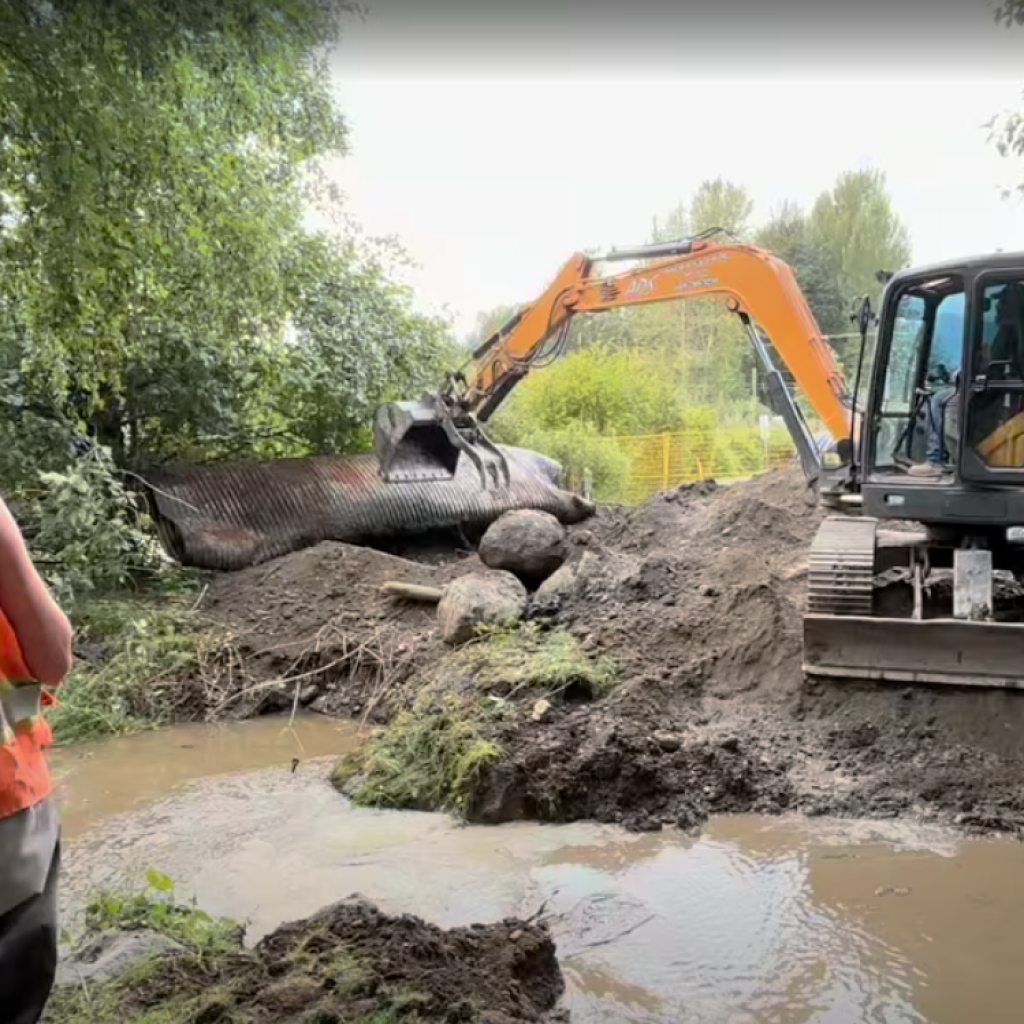
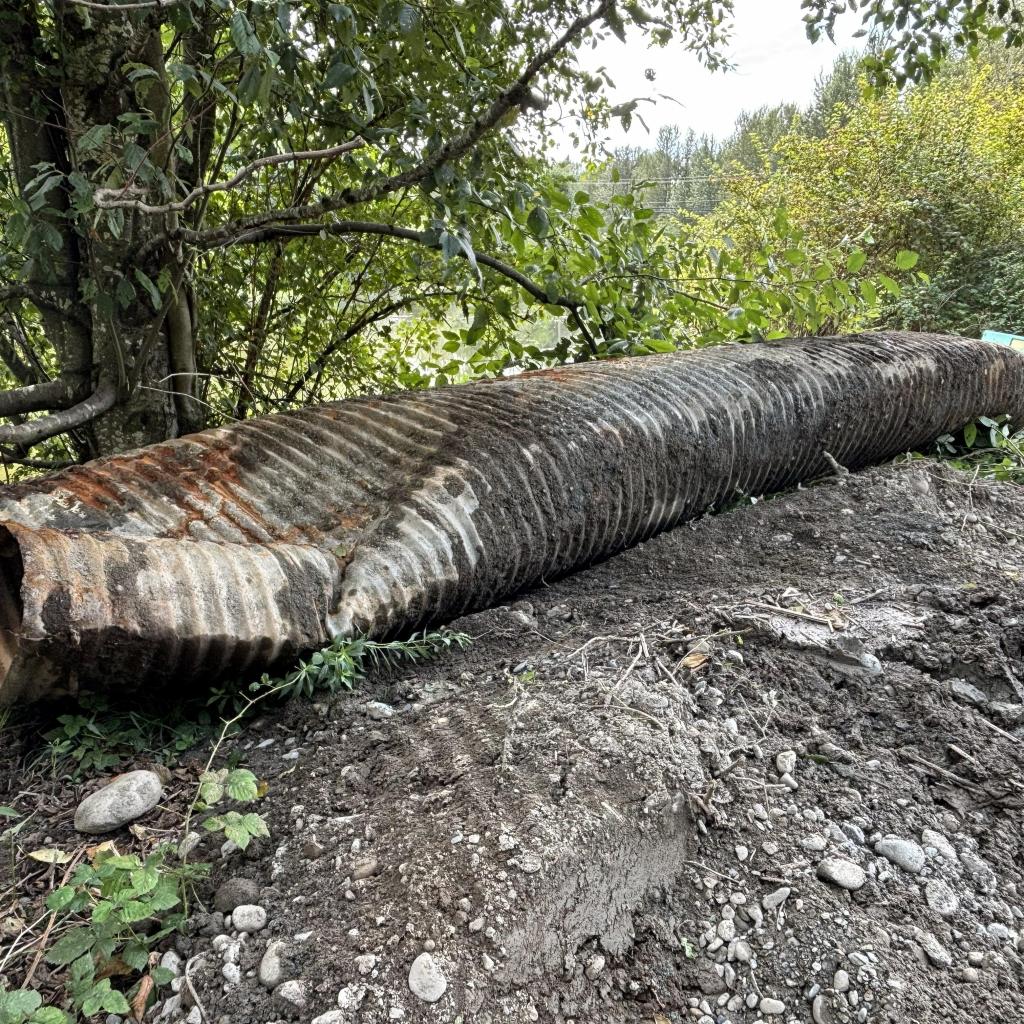
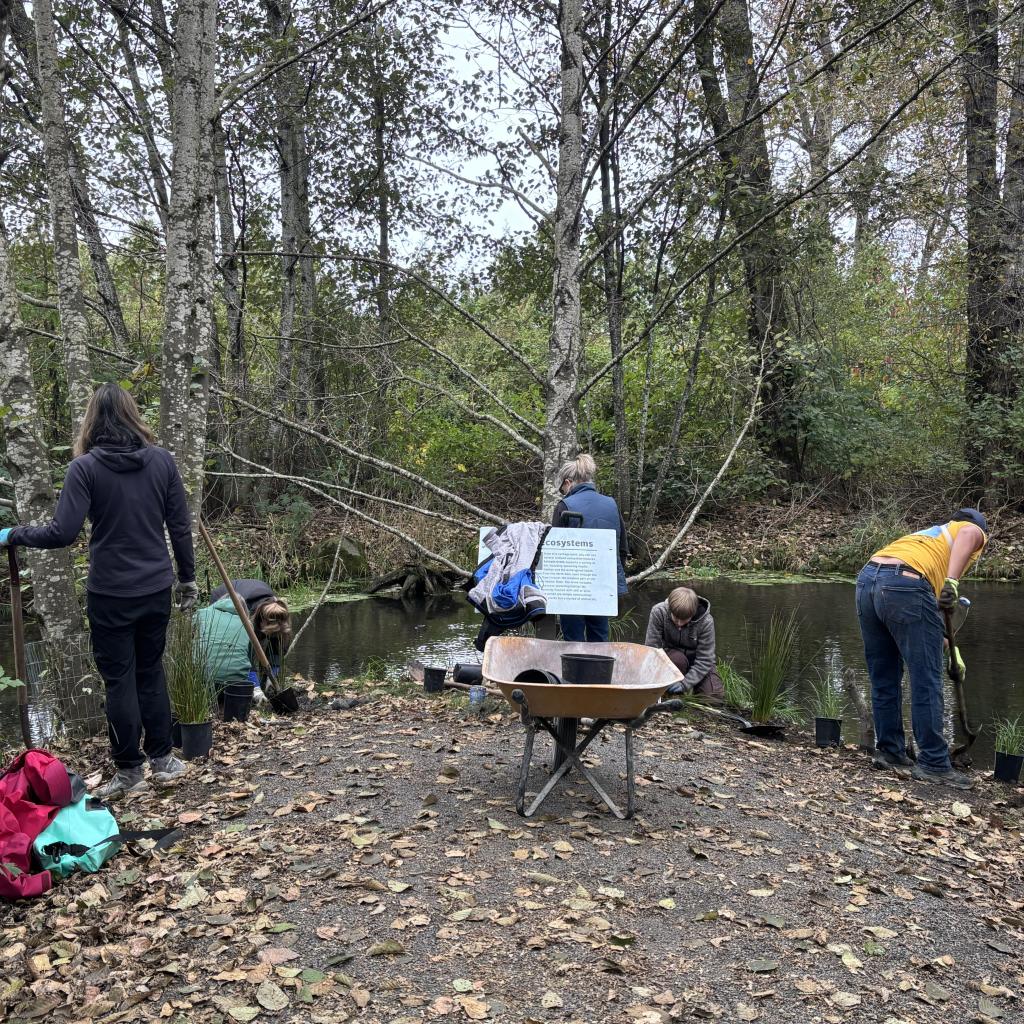
When the culvert at the mouth of the Salwein collapsed in the Fall of 2024, our first reaction was concern for the Salmon who had then been cut off from their spawning grounds upstream. Unfortunately in-stream works like a culvert replacement are not authorized during Salmon spawning season. Since we had no choice but to wait, we seized the opportunity to do more than just repair it, and instead launched a full remediation of the spawning channel. The project included adding new gravel, removing invasive plants, and planting native species to improve salmon habitat for years to come.
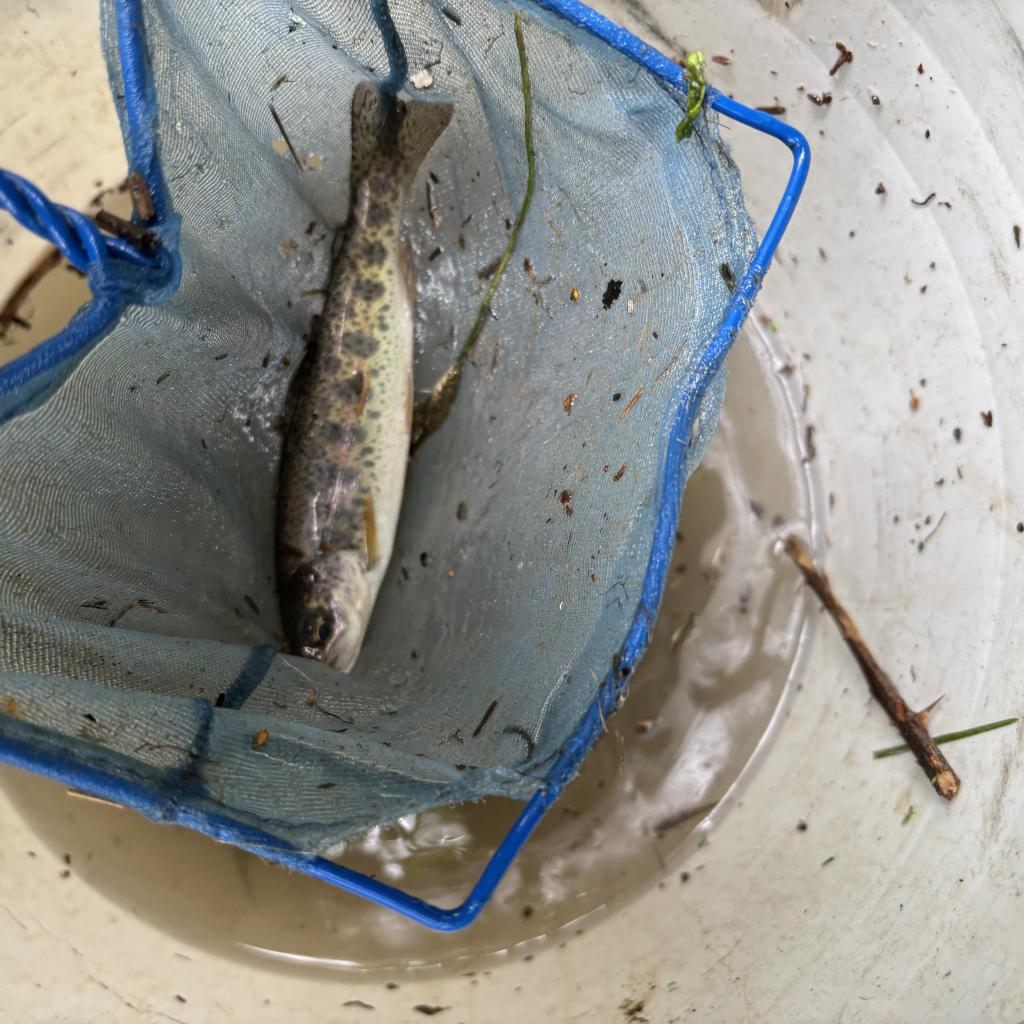
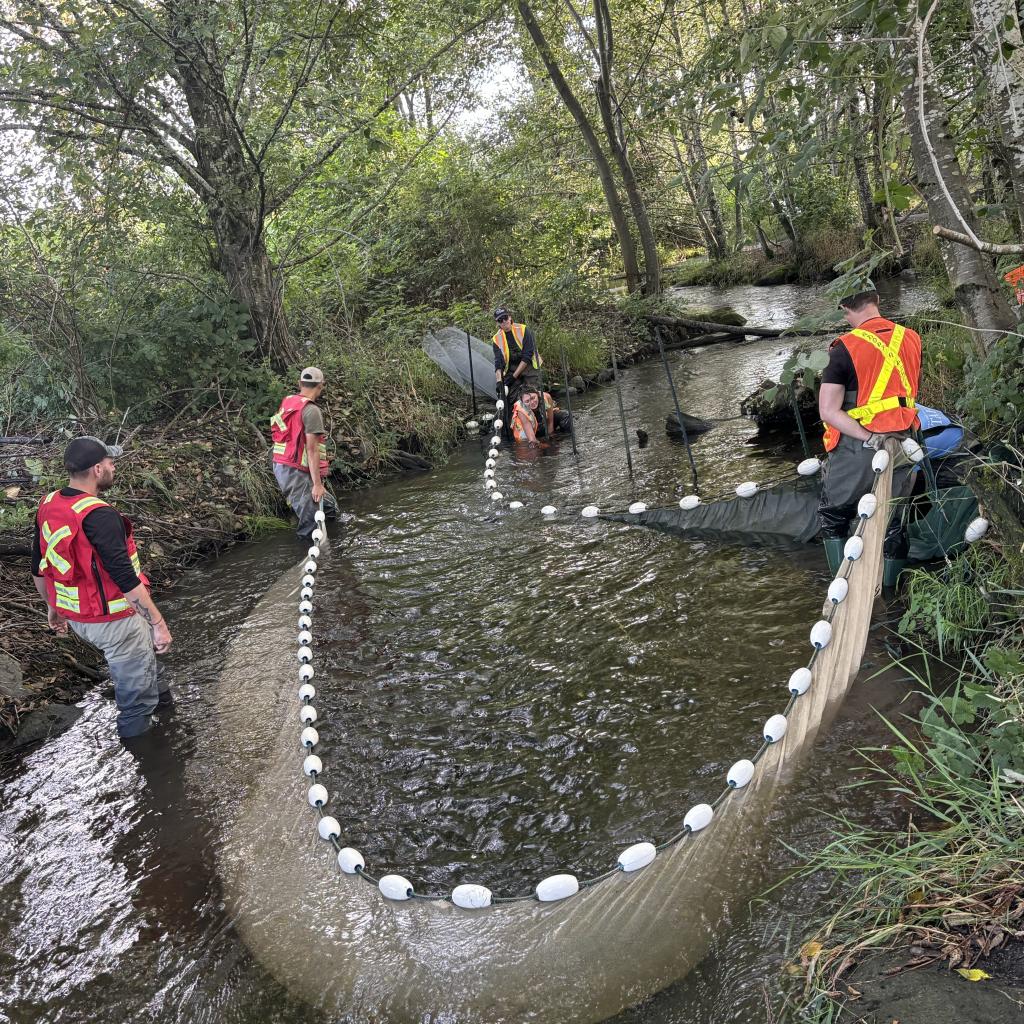
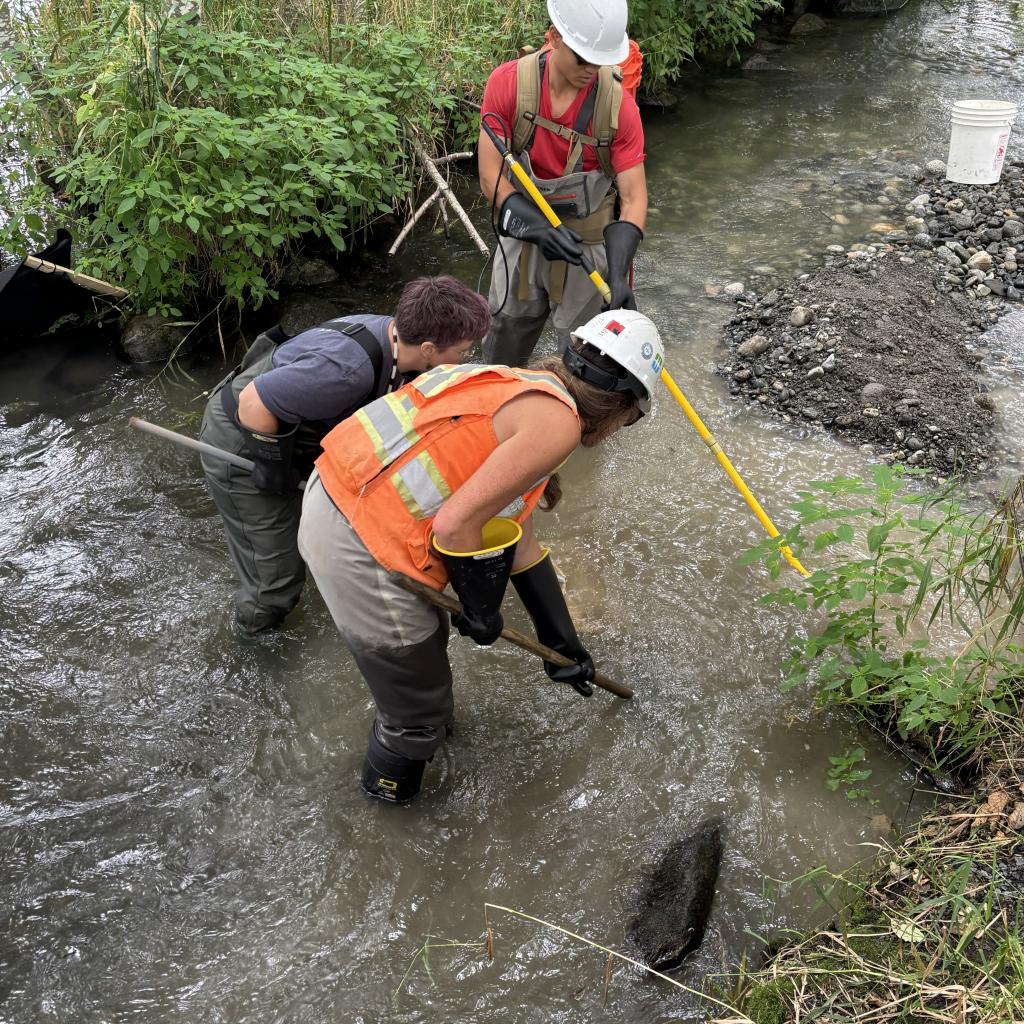
Every step was planned with protecting the environment as the highest priority. Fish in the work area were safely relocated using barriers, hand seining, and electrofishing, while water quality was closely monitored to keep turbidity (cloudiness caused by particulates) low and oxygen levels safe. Once the site was cleared, the old culvert was removed, and washed gravel was strategically placed to rebuild riffles and reinforce the streambed. Aggressive Reed Canary Grass was removed, and native plants were added to help restore natural conditions, the most vulnerable of which have been protected from predation by beavers with fencing.
The success of the project will be tracked through surveys monitoring fish abundance, species diversity, and the health of the channel. This multi-day effort wouldn’t have been possible without our amazing partners, the City of Chilliwack, Department of Fisheries and Oceans Canada, the Pacific Salmon Foundation, ADS Bobcat, and retired DFO biologist Matt Foy; whose expertise and dedication were key to making this remediation a reality.